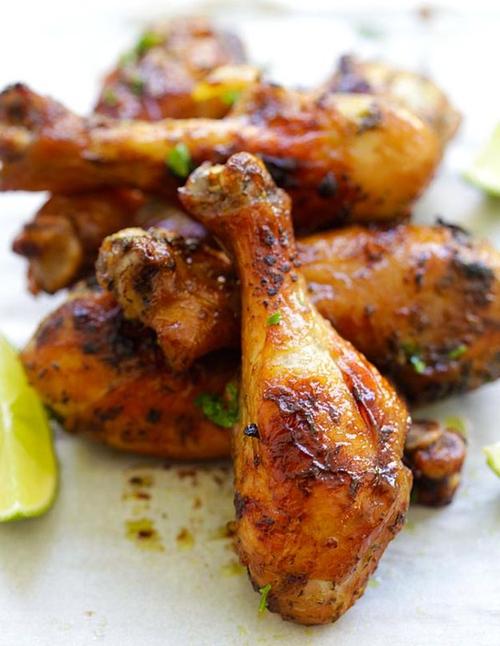
Mastering Jerk Chicken: Deep Flavor from Caribbean Spices
There are few culinary experiences as vibrant and unforgettable as sinking your teeth into perfectly cooked jerk chicken. A true masterpiece of Caribbean cuisine, this dish isn't just food; it's a celebration of bold flavors, aromatic spices, and a fiery spirit that transports you straight to the sunny shores of Jamaica. Whether you're a seasoned chef or a home cook looking to explore exotic tastes, mastering jerk chicken promises a deeply satisfying reward. This article will guide you through the history, the essential ingredients, and the techniques to create an authentic and mouth-watering experience right in your own kitchen.
The Essence of "Jerk": More Than Just a Marinade
The term "jerk" has evolved significantly over time, but its roots are deeply embedded in Jamaican history and cooking tradition. Originally, "jerking" referred to a unique method of preparing meat, often pork or goat, that involved:
- Poking the Meat: Historically, meats were pierced with holes, a crucial step designed to allow marinades and rubs to penetrate deeper into the flesh. This ensured not just surface flavor but an infusion that reached the very core of the meat.
- Slow Cooking: The traditional "jerking" process also involved cooking the meat slowly over pimento wood fires, often in earthen pits, which imparted a distinct smoky aroma and tender texture.
Over the centuries, as cooking methods and culinary trends shifted, the term "jerk" expanded to primarily describe the distinctive spicy rub or marinade itself. Today, when we talk about jerk chicken, we're referring to chicken seasoned with this iconic blend of spices, aromatics, and heat, often cooked on a grill or baked to perfection. The principle of deep flavor penetration, however, remains paramount, making the initial "jerking" (poking) of the chicken a vital step even in modern recipes.
Unlocking the Flavor: Key Ingredients for Your Jerk Chicken Marinade
The magic of jerk chicken lies in its complex and intensely flavorful marinade. It's a symphony of sweet, savory, pungent, and, of course, spicy notes. Each ingredient plays a crucial role in building the layered taste that defines this beloved dish. Crafting this marinade is where the true artistry begins, transforming simple chicken into an unforgettable meal. For a truly authentic Jamaican jerk chicken experience with a fiery Scotch bonnet marinade, paying attention to the quality and balance of these ingredients is key.
The Fiery Core: Peppers
At the heart of any authentic jerk marinade is heat, primarily delivered by the legendary Scotch Bonnet pepper.
- Scotch Bonnet Peppers: These peppers are non-negotiable for true jerk flavor. Beyond their intense heat (ranging from 100,000 to 350,000 Scoville Heat Units, similar to habaneros), Scotch Bonnets possess a unique fruity, subtly sweet undertone that is absolutely essential to the marinade's depth. Their distinct aroma sets them apart.
- Habanero Peppers: If Scotch Bonnets are unavailable, habaneros make an excellent substitute, offering a comparable heat level and a similar fruity profile. However, be aware that their flavor is slightly different, making Scotch Bonnets the preferred choice for authenticity.
Aromatic Foundations
These ingredients provide the pungent and savory backbone of the marinade, creating a robust base for the spices.
- Red Onion, Garlic, and Scallions (Green Onions): These three form the aromatic triad that adds sharpness, depth, and a fresh bite to the marinade. They are critical for building a foundational savory flavor.
- Freshly Grated Ginger: Ginger brings a zesty, slightly peppery warmth that complements the other spices beautifully and adds another layer of complexity.
Liquid Gold: Enhancers and Tenderizers
Liquids help to emulsify the marinade, carry the flavors, and even tenderize the chicken.
- Soy Sauce: A dash of soy sauce introduces umami and a savory depth, enhancing the overall richness of the marinade. John Torode, a renowned chef, particularly favors adding soy for extra spice and depth.
- Vinegar (White or Apple Cider): Vinegar provides a crucial acidic component, balancing the richness and heat while also helping to tenderize the chicken. Apple cider vinegar can add a subtle fruitiness.
- Olive Oil: Acts as a carrier for the fat-soluble flavors and helps the marinade adhere to the chicken.
- Orange Juice & Lime Juice: Citrus juices brighten the marinade, adding a tangy sweetness that cuts through the spice and complements the fruity notes of the Scotch Bonnets.
The Spice Symphony: The Soul of Jerk
These dry spices are what truly define the "jerk" flavor profile.
- Allspice Berries (Pimento): If there's one defining spice in jerk cooking, it's allspice. Known as pimento in Jamaica, it's native to the Caribbean and provides a complex flavor reminiscent of cloves, nutmeg, and cinnamon, all in one. It is absolutely indispensable.
- Nutmeg & Cinnamon: These warm, earthy spices add depth and a hint of sweetness, rounding out the flavor profile and contributing to that quintessential Caribbean aroma.
- Dried Thyme (or Fresh): Thyme adds an herbaceous, slightly floral note that is a classic pairing with poultry in Caribbean cuisine.
- Brown Sugar: A touch of brown sugar balances the intense heat and acidity, providing a subtle caramel sweetness that helps create that desirable charred crust when cooked.
- Salt & Black Pepper: Essential for seasoning and enhancing all the other flavors.
From Prep to Plate: How to Make Irresistible Jerk Chicken
The journey to perfectly cooked jerk chicken involves a few critical steps, each contributing to the ultimate flavor and texture. Precision in preparation and patience in marinating are your keys to success.
1. Crafting the Marinade
Combine all your marinade ingredients (peppers, onion, garlic, scallions, ginger, soy sauce, vinegars, olive oil, citrus juices, allspice, nutmeg, cinnamon, thyme, brown sugar, salt, and pepper) in a food processor or blender. Process until it forms a smooth, vibrant paste. The goal is a consistent texture that will evenly coat the chicken and allow for maximum flavor infusion.
2. Preparing the Chicken
You can use any cut of chicken for jerk chicken – whole chickens cut into pieces, thighs, drumsticks, or even breasts (though thicker cuts may require longer cooking). Wash and pat your chicken dry. Then, take a sharp knife and pierce the chicken several times deeply, especially in thicker areas like breasts or thighs. This reintroduces the ancient "jerking" technique, ensuring the potent marinade penetrates far beyond the surface, delivering deep flavor with every bite.
3. The Art of Marination
Place the pierced chicken in a large bowl or a sealable bag. Pour the freshly made marinade over the chicken, ensuring every piece is thoroughly coated. Massage the marinade into the chicken, getting into all the crevices and pierced holes. Cover and refrigerate. While you can marinate for a minimum of 30 minutes, for truly profound flavor penetration, aim for at least 2 hours. Ideally, marinate the chicken overnight (8-12 hours). This extended period allows the acids in the marinade to tenderize the meat and the spices to fully permeate, promising a more flavorful and succulent result.
4. Cooking Your Jerk Chicken
Whether you prefer to grill or bake for spicy perfection, this easy jerk chicken recipe is adaptable.
- Grilling (Traditional Method): Preheat your grill to medium-high heat. Place the chicken on the grill, skin-side down first. Grill, turning occasionally, until the chicken is cooked through and has a beautiful charred exterior. This typically takes 30-45 minutes for bone-in pieces, less for boneless, ensuring internal temperature reaches 165°F (74°C). The charring is crucial for the authentic jerk flavor.
- Baking (Convenient Alternative): Preheat your oven to 400°F (200°C). Arrange the chicken on a baking sheet. Bake for approximately 35-50 minutes, depending on the cut, or until juices run clear and the internal temperature reaches 165°F (74°C). For a crisper skin, you can finish under the broiler for a few minutes, watching carefully to prevent burning.
Beyond the Grill: Tips for Perfect Jerk Chicken Every Time
- Handle Peppers with Care: Scotch Bonnets are very hot. Wear gloves when handling and avoid touching your eyes. Wash your hands thoroughly afterwards.
- Adjust Heat to Your Liking: While authenticity calls for heat, feel free to adjust the number of Scotch Bonnets based on your spice tolerance. You can deseed them for less heat, or add more for an extra kick.
- Don't Skimp on Allspice: Allspice is the signature flavor. Ensure you use good quality allspice berries (or ground allspice, though fresh berries provide more punch).
- Rest the Chicken: After cooking, let the chicken rest for 5-10 minutes before serving. This allows the juices to redistribute, resulting in more tender and flavorful meat.
- Serve with Classic Sides: Jerk chicken is traditionally served with cooling sides like rice and peas (cooked with coconut milk), fried plantains, or a refreshing coleslaw to balance the heat.
Conclusion
Mastering jerk chicken is more than just following a recipe; it's about embracing a culinary tradition steeped in history and vibrant flavor. From the initial piercing of the chicken to the complex blend of Scotch bonnets, allspice, and aromatic ingredients, every step contributes to a dish that is deeply satisfying and utterly delicious. With its tantalizing spice, succulent texture, and unforgettable aroma, homemade jerk chicken promises to be a culinary adventure that will undoubtedly earn a permanent spot in your cooking rotation. So, gather your ingredients, fire up your grill, and prepare to embark on a flavorful journey to the heart of the Caribbean.
